
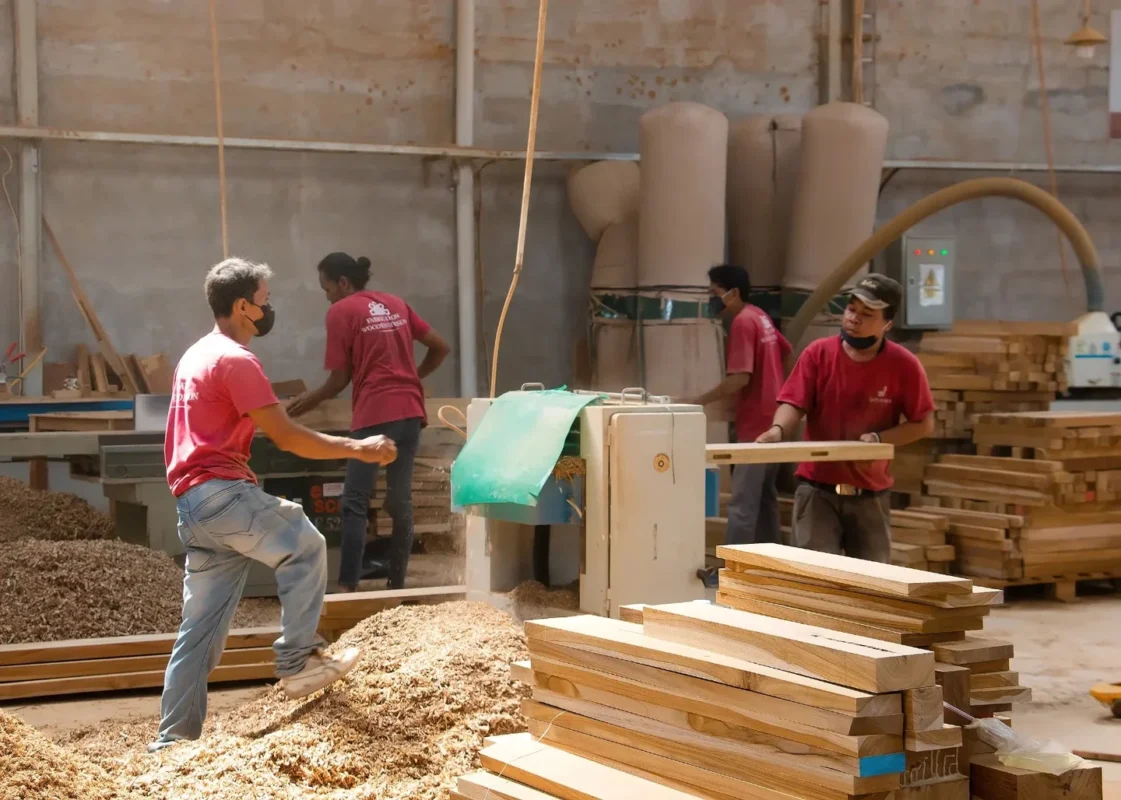
In today’s dynamic business landscape, staying ahead requires foresight and strategic partnerships. For businesses looking to expand their product lines, enter new markets, or simply optimize their operational efficiency, white label furniture manufacturing offers a compelling solution. This model allows companies to offer high-quality furniture under their own brand, leveraging the expertise and production capabilities of established manufacturers. As the industry evolves, several key trends are emerging that will define success for businesses looking to future-proof their operations.
Future-Proof Your Business: Emerging Trends in White Label Furniture Manufacturing
The Rise of Sustainable and Eco-Conscious Manufacturing
Sustainability is no longer a niche concern; it’s a core expectation for modern consumers and businesses alike. The furniture industry, particularly in white label manufacturing, is seeing a significant shift towards eco-conscious practices. This trend encompasses everything from the sourcing of raw materials to the energy efficiency of production processes and the recyclability of finished products.
For a Solid Teak Wood Furniture Manufacturer, this means emphasizing responsibly harvested timber, such as certified solid teak wood, known for its durability and natural beauty. Businesses are increasingly seeking partners who can demonstrate a commitment to environmental stewardship, offering transparency in their supply chains and utilizing methods that minimize ecological impact. This focus not only appeals to a growing market segment but also contributes to long-term brand value and resilience.
Customization and Personalization at Scale
The demand for unique and personalized products continues to grow, even within the B2B sector. White label furniture manufacturing is uniquely positioned to meet this need by enabling brands to offer a wide array of customizable options without the extensive overhead of in-house design and production. This trend is about providing flexibility in dimensions, finishes, materials, and even design elements, allowing businesses to cater to specific client requirements or market niches effectively.
A proficient White Label Furniture Manufacturer leverages advanced production techniques and flexible processes to facilitate this customization. From bespoke hospitality projects requiring specific aesthetic and functional criteria to residential collections that offer clients a choice of fabrics and colors, the ability to personalize at scale is becoming a critical differentiator. This trend empowers brands to create truly distinctive offerings that resonate deeply with their target audience, fostering stronger customer loyalty and market presence.
Advanced Materials and Manufacturing Technologies
Innovation in materials and manufacturing processes is rapidly transforming the white label furniture sector. Beyond traditional wooden furniture, there’s a growing exploration of hybrid materials, such as solid teak wood combined with durable rope weaving or aluminum powder coating, as seen in high-quality outdoor living sets. These advancements offer enhanced durability, lighter weights, and greater resistance to environmental elements, making them ideal for diverse applications, from high-traffic commercial spaces to luxurious outdoor patios.
Furthermore, the integration of advanced manufacturing technologies, including precision CNC machinery, robotic assistance, and sophisticated CAD/CAM software, is optimizing production efficiency and consistency. These technologies allow manufacturers to maintain high standards of quality, reduce waste, and accelerate production cycles, all while preserving the artistry and craftsmanship that define premium furniture. This blend of traditional expertise with modern technological prowess is key to meeting the evolving demands of the global market.
Streamlined Supply Chains and Logistics Innovation
In the B2B furniture industry, efficient logistics and a robust supply chain are paramount. Emerging trends in white label manufacturing emphasize seamless integration from factory to client, focusing on optimizing every step of the journey. This includes strategic inventory management, advanced warehousing solutions, and sophisticated transportation networks designed to minimize delays and reduce costs, particularly for international shipments.
Partnerships with manufacturers who possess extensive experience in global distribution are becoming increasingly valuable. These manufacturers often have established relationships with freight forwarders and understand the complexities of customs regulations and international shipping standards. For businesses to thrive in a competitive market, ensuring that products move efficiently and securely is non-negotiable. Exploring resources like From Factory to Front Door: Navigating Logistics & Shipping for White Label Furniture Brands can provide invaluable insights into mastering these critical operations.
The Power of Brand Storytelling and Differentiation
Even when leveraging white label manufacturing, the power of a strong brand identity remains crucial. Businesses are recognizing the need to craft compelling narratives around their products, highlighting their unique selling propositions, design philosophy, and commitment to quality. White label partnerships free up resources that would otherwise be spent on manufacturing infrastructure, allowing brands to invest more heavily in marketing, design, and storytelling.
This trend is about creating an emotional connection with clients and end-users, differentiating products that might share similar underlying manufacturing processes. Whether it’s emphasizing the sustainable sourcing of materials, the ergonomic benefits of a design, or the heritage and craftsmanship behind each piece, effective branding transforms a product into an experience. For comprehensive guidance on building a distinctive identity, consider resources such as Build Your Empire: Branding Strategies That Make White Label Furniture Uniquely Yours.
Navigating Partnerships: Legal and Operational Excellence
The foundation of any successful white label furniture partnership lies in clear communication, mutual trust, and robust legal frameworks. As the industry evolves, there’s an increased emphasis on establishing comprehensive contracts and agreements that protect both parties and clarify expectations regarding quality, intellectual property, timelines, and confidentiality. This proactive approach minimizes misunderstandings and ensures a smooth, productive collaboration.
Choosing the right manufacturing partner involves due diligence, evaluating their track record, production capabilities, quality control processes, and ethical standards. Manufacturers with years of experience, a diverse product portfolio, and a reputation for reliability are invaluable assets. Understanding the nuances of these agreements is vital for long-term success. For detailed insights into securing your business interests, explore Avoid Legal Headaches: Essential Contracts & Agreements for White Label Furniture Partnerships.
Conclusion
The white label furniture manufacturing landscape is evolving rapidly, driven by demands for sustainability, customization, technological innovation, and streamlined operations. By embracing these emerging trends and forging strategic partnerships with experienced manufacturers, businesses can effectively future-proof their operations, expand their market reach, and deliver exceptional products under their own brand. The key to success lies in selecting a partner who not only meets current demands but also anticipates future needs, ensuring quality, reliability, and a shared vision for growth.
For more information on how our expertise in solid teak wood furniture manufacturing and white label solutions can benefit your business, please contact us via Jivochat. We specialize in B2B partnerships, providing world-class furniture tailored to your unique requirements.
